
How do you actually choose a creative agency?
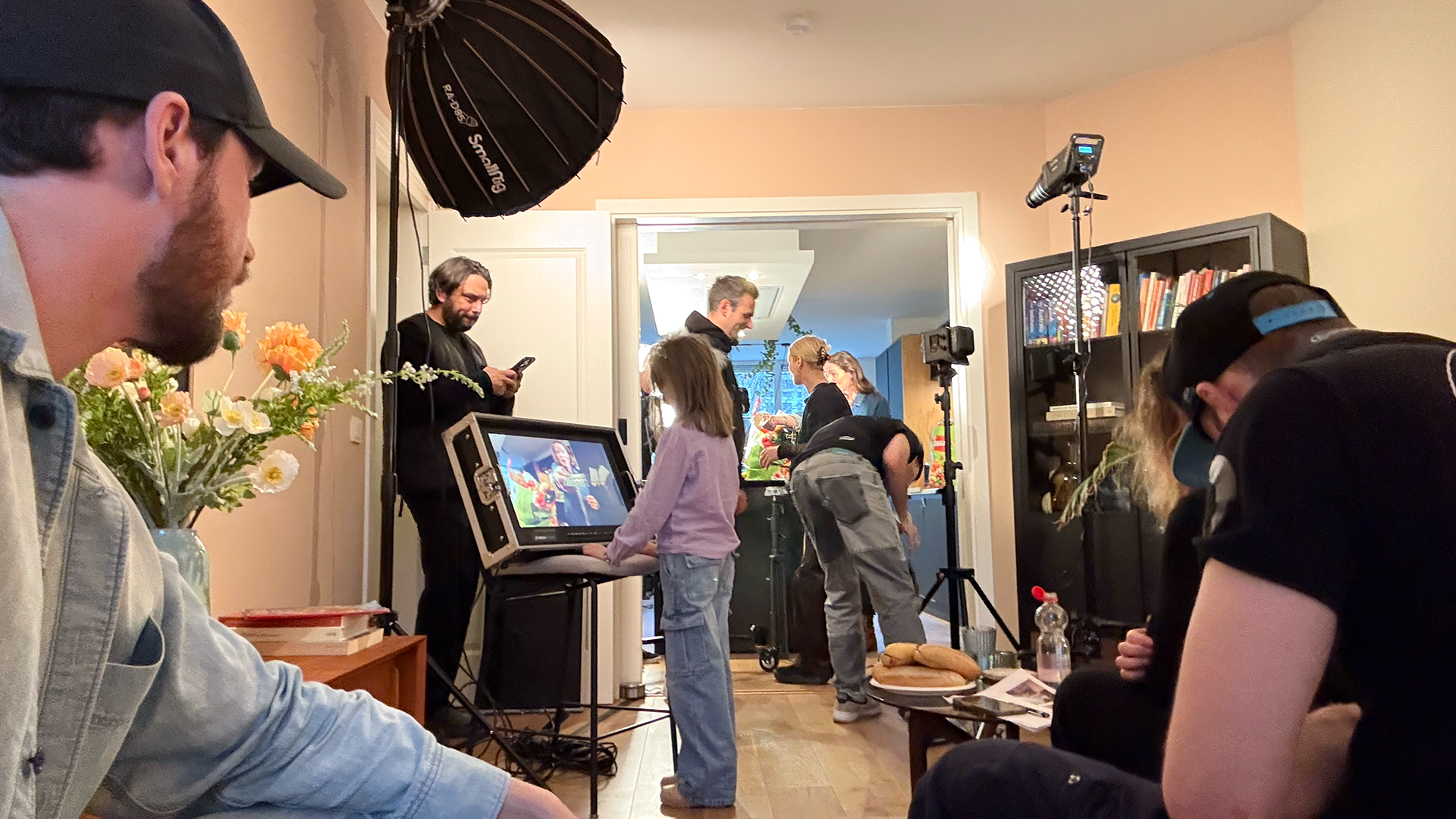
August 2026 - Jordy Wedding
The best way to choose a creative agency is to find out who will actually do your work, not who shows up to win it. That single question, who's really on my account, cuts through most of the noise, because the most common disappointment in this industry is hiring the team that pitched you and getting handed the team that didn't. Everything else, the showreel, the awards, the office, matters less than that.
So here's how we'd go about it, said plainly, including the bits agencies would rather you didn't ask.
Don't buy the showreel
A portfolio tells you what an agency has made. It doesn't tell you who made it, whether those people still work there, or whether any of them will come within a mile of your project. Beautiful work on the wall is the price of entry, not a differentiator. By the time a reel is polished enough to pitch with, the people behind it may have moved on twice.
So look at the work of course, but treat it as proof they can do good work, not proof they'll do good work for you. The gap between those two is where most bad agency relationships are quietly born.
Ask who is actually on your account
This is the question that matters most and the one people are strangely shy about asking. Who, specifically, will be doing the thinking and the making. Not the names on the pitch, the names on the Tuesday afternoon when the deadline is real.
At a lot of agencies there's a quiet distance between the senior people who charm you in the room and the juniors who do the actual work once the contract is signed. That is not a scandal, it is just the model, seniors are expensive and cannot be on everything. But you should know it is happening, because you are often paying senior rates for junior hands. So ask directly. A good agency will tell you straight. A cagey answer is itself an answer.
Watch how they think, not just what they show
A case study shows you their highlights. A proper conversation shows you how they actually think, which is the part you are really buying. The most useful thing you can do in a first meeting is stop asking to see more work and start asking how they would approach your problem. Give them something real and watch how they reason. Do they ask sharp questions, or nod along. Do they push back on your brief, or agree with everything you say.
That last one matters more than it sounds. An agency that agrees with everything is an agency that will happily let you walk into a bad decision. The good ones disagree with you sometimes, kindly, because they care more about the work being right than about being easy to hire. If nobody ever pushes back, you have bought a pair of hands, not a partner.
Match the size to the job
Bigger is not better, it is just bigger. A large network agency is built for large, complex, multi-market machines. If that is genuinely your problem, wonderful. But most brands do not have that problem. They have a specific, sharp job that needs senior people who care. For that, a big agency is expensive overkill, because you end up funding a structure you never needed.
So size the agency to the actual work. Ask yourself honestly whether you need a factory or a small group of people who are properly good at this, because the answer changes everything about who you should even be talking to.
Ask about the model
How does the agency actually staff your work. A traditional agency runs on a pyramid, layers of people and overhead you pay for whether they ever touch your project or not. A freelance or network model works the other way, you get senior people on the work directly without the building around them. Neither is automatically right but the model tells you where your money goes and whose hands your work lands in, so it is worth understanding before you sign anything.
The real question
The thing you are really deciding is not "who has the best work." It is "who will do the best work for me and will I actually know the people doing it." Those are quieter questions than a showreel answers, and they are the ones that predict whether you will still be happy in six months.
So meet the people who would be on it. Ask how they think. Notice whether they ever push back. Find out plainly how much of your budget buys work and how much buys structure. Do that and you will choose well, whoever you end up choosing.
That is a fair standard to hold every agency to, us included. So if you ever talk to us, we will tell you upfront exactly who would be on your work, before you have to ask.